Department of architecture and Urban planning of Brest city executive committee. UE “Center of Architecture”
Type
Multifunctional complex
Area
65000 m2
Status
Competition proposal
Collaboration
Nataly Khadziakova | www.natalykhadziakova.com Viktor Kolesnikov | www.each.city — 3D City Models Georgy Keskevich | www.instagram Andrei Shablinsky
Achievements
2nd Place Winner | Innovative Vision Award Published in several architectural journals
Market square revitalize
New urban ecosystem
We are re-imagining the central market, clearing away the clutter of outdated structures to reveal a new kind of public destination. The goal is to turn a closed commercial box into an open, breathing part of the city.
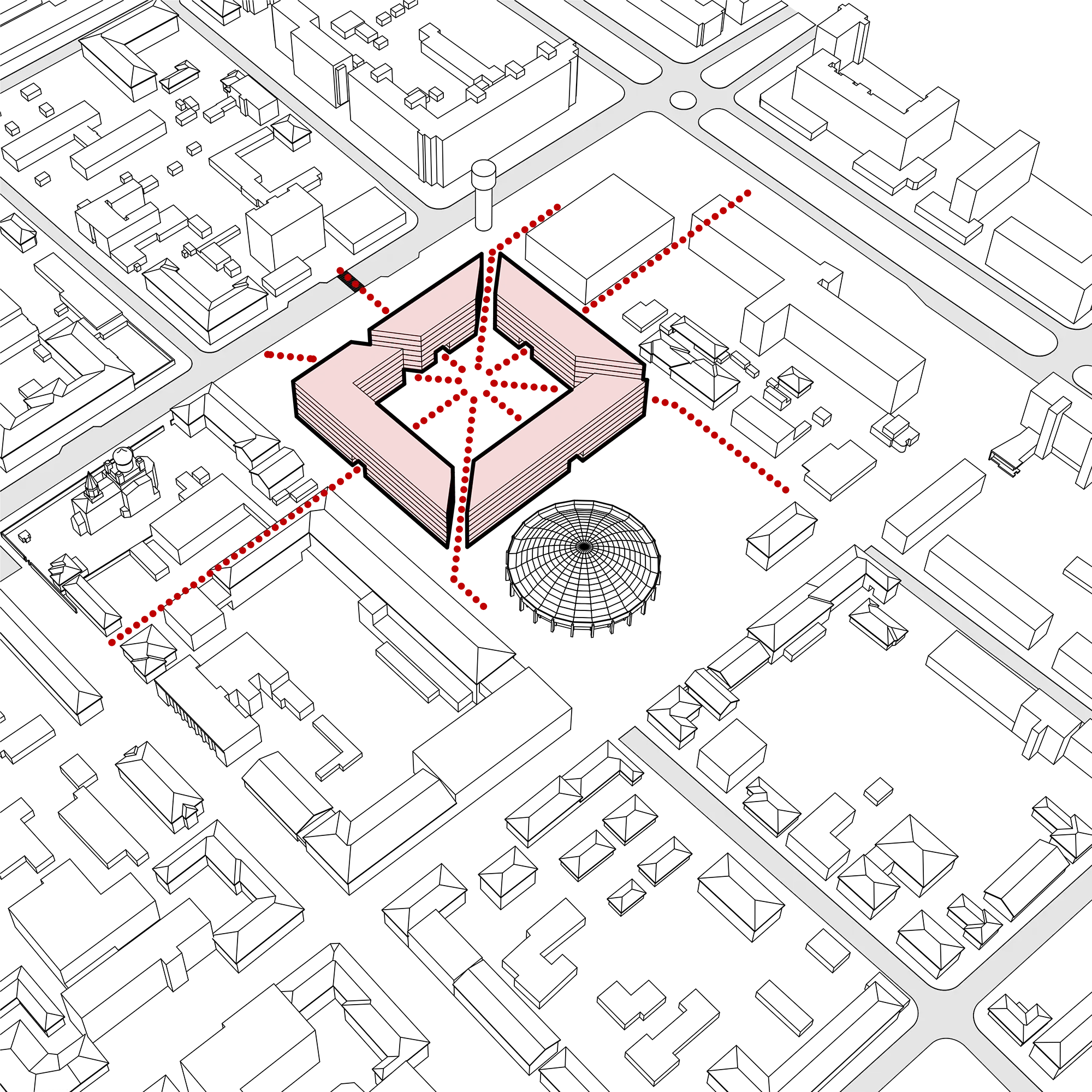
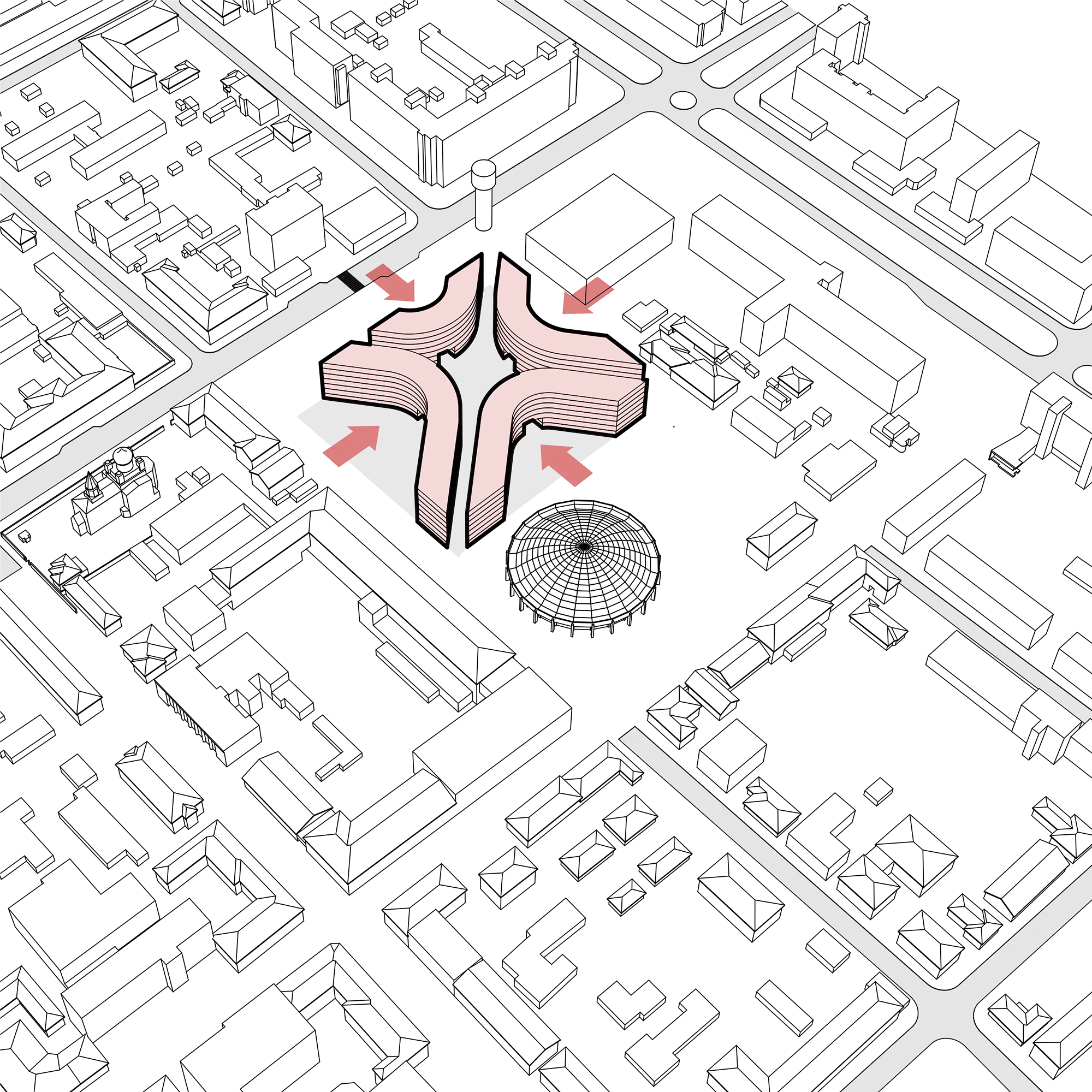
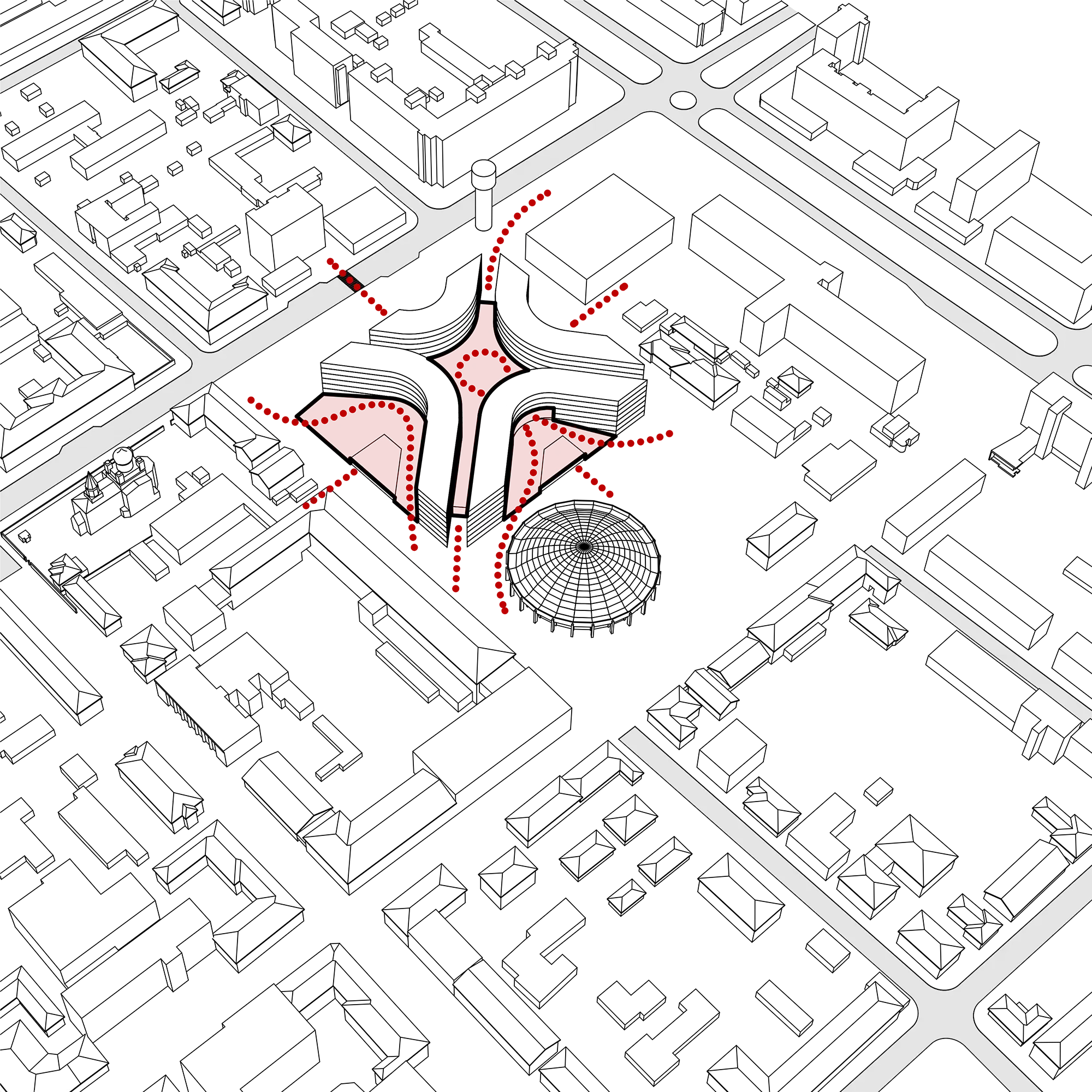
The design slices the building diagonally to form «urban living rooms» internal streets that invite people to walk through rather than walk around. These walkways connect the market to the city’s pulse, making the transition between the street and the interior invisible. More than just a place to shop, this is a place to be. New public squares and gathering spots encourage visitors to pause and connect. Whether hosting a seasonal fair or offering a quiet spot to rest, the market is transformed into a vibrant social anchor for the community.
Architectural Vision
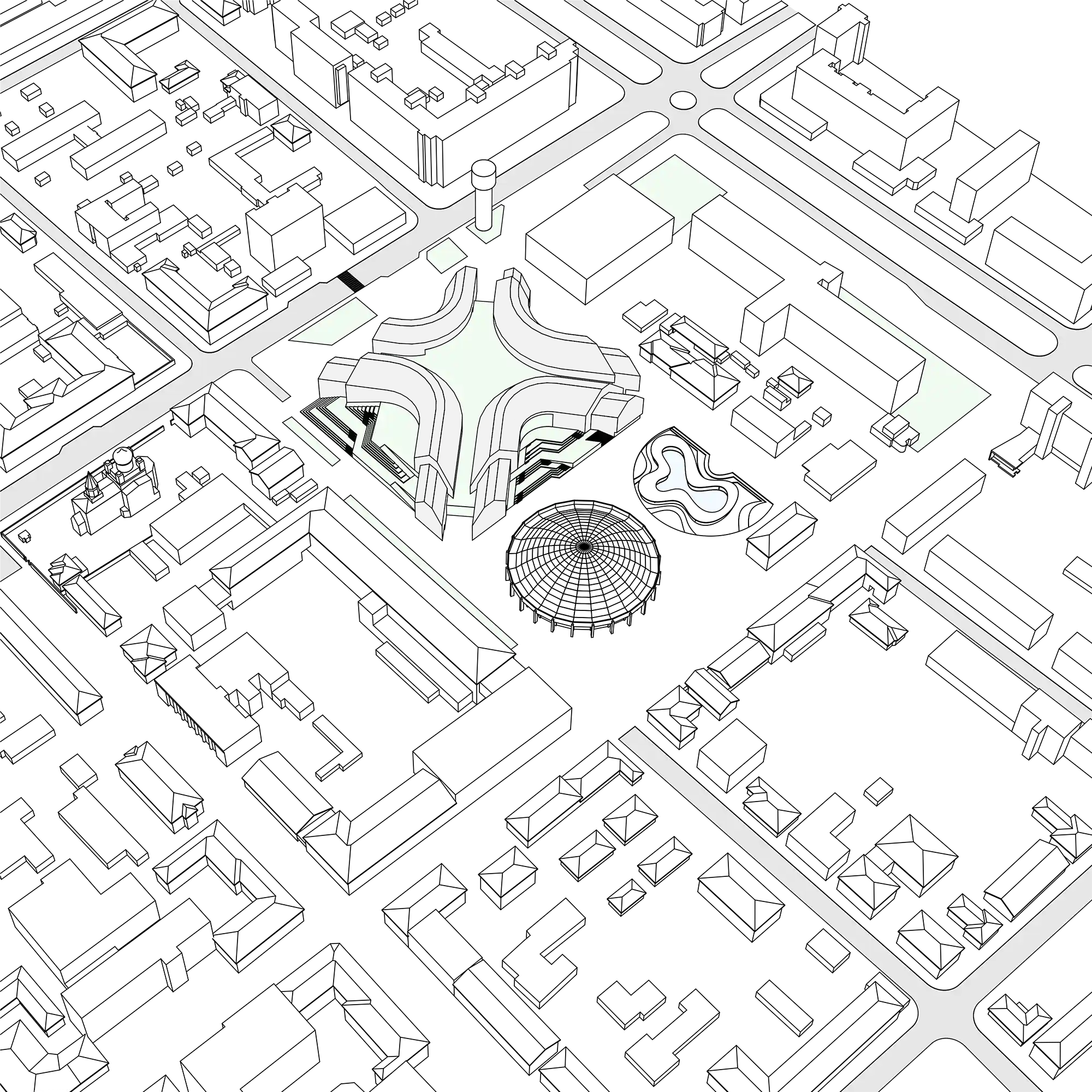
The design of the new market building is inspired by the historic block structure of Brest. Its height respects the scale of the neighboring buildings, ensuring a seamless integration into the skyline. To create inviting public spaces and give the volume a lighter appearance, the building’s mass is stepped back and recessed. The underground levels house storage facilities and parking. Above ground, the building features open and enclosed terraces, while the heart of the market is dedicated to a public food court with cafes and restaurants. For the existing historic market hall, we propose to strip away later additions to reveal the original structure. By recessing the glazing behind the pylons, we aim to restore its depth and give it a distinctive architectural character.
Urban Context
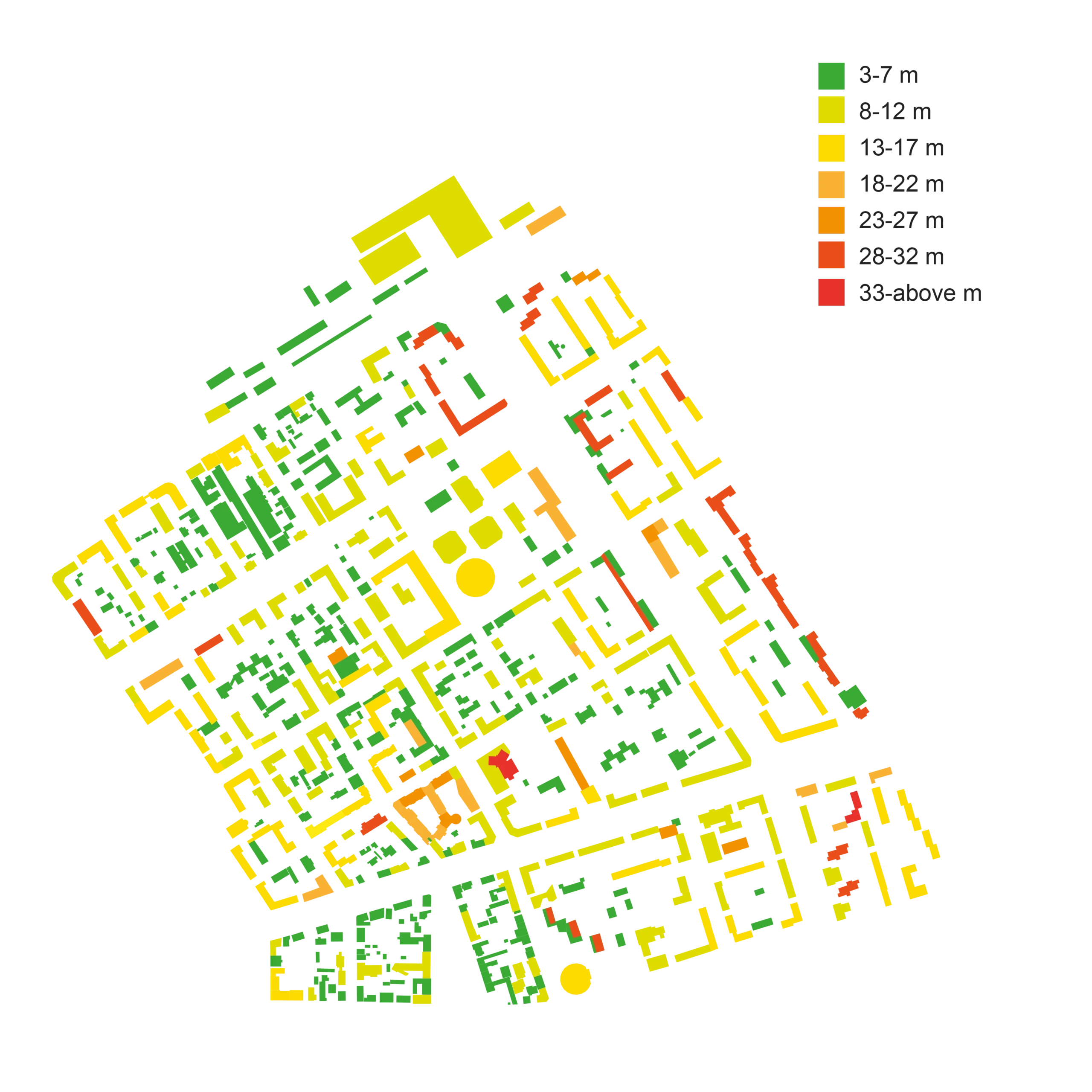
The site is located in the very center of Brest, within a historic grid planned in the 19th century. Brest is unique in this regard: the entire city was relocated from the historic fortress to its current position. Today, the fortress serves as a park and tourist destination, connected to the residential and public districts by pedestrian routes. The project site occupies a strategic position within this urban fabric. It has the potential to become a key link in Brest’s pedestrian network, bridging the gap between the historic roots and the modern city center.
Functional Strategy
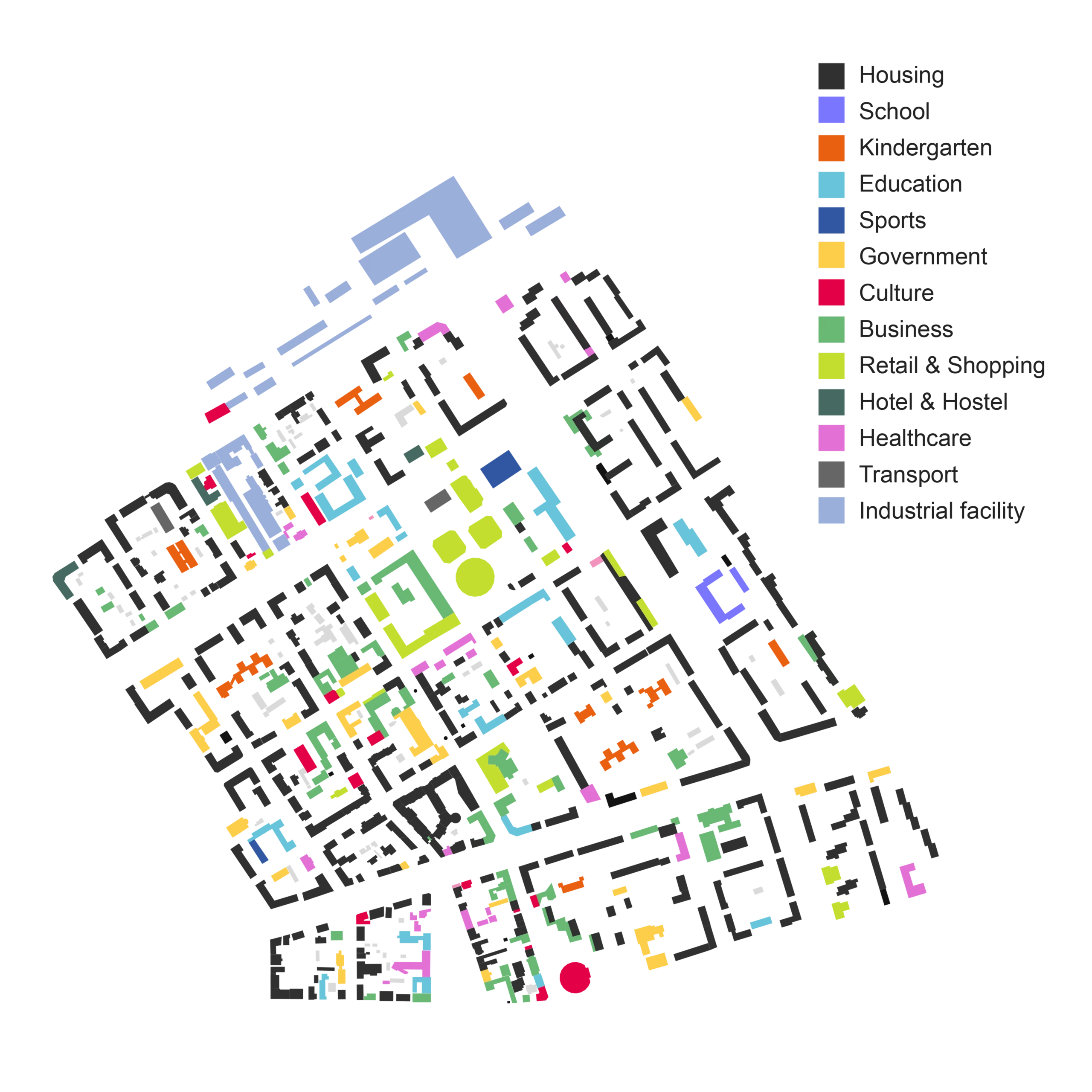
Currently, this block is dominated by a single commercial function, which no longer meets the diverse needs of a modern city center. While the old market building holds significant aesthetic and structural value, it is functionally obsolete for modern vendors.
… The city’s new living room …
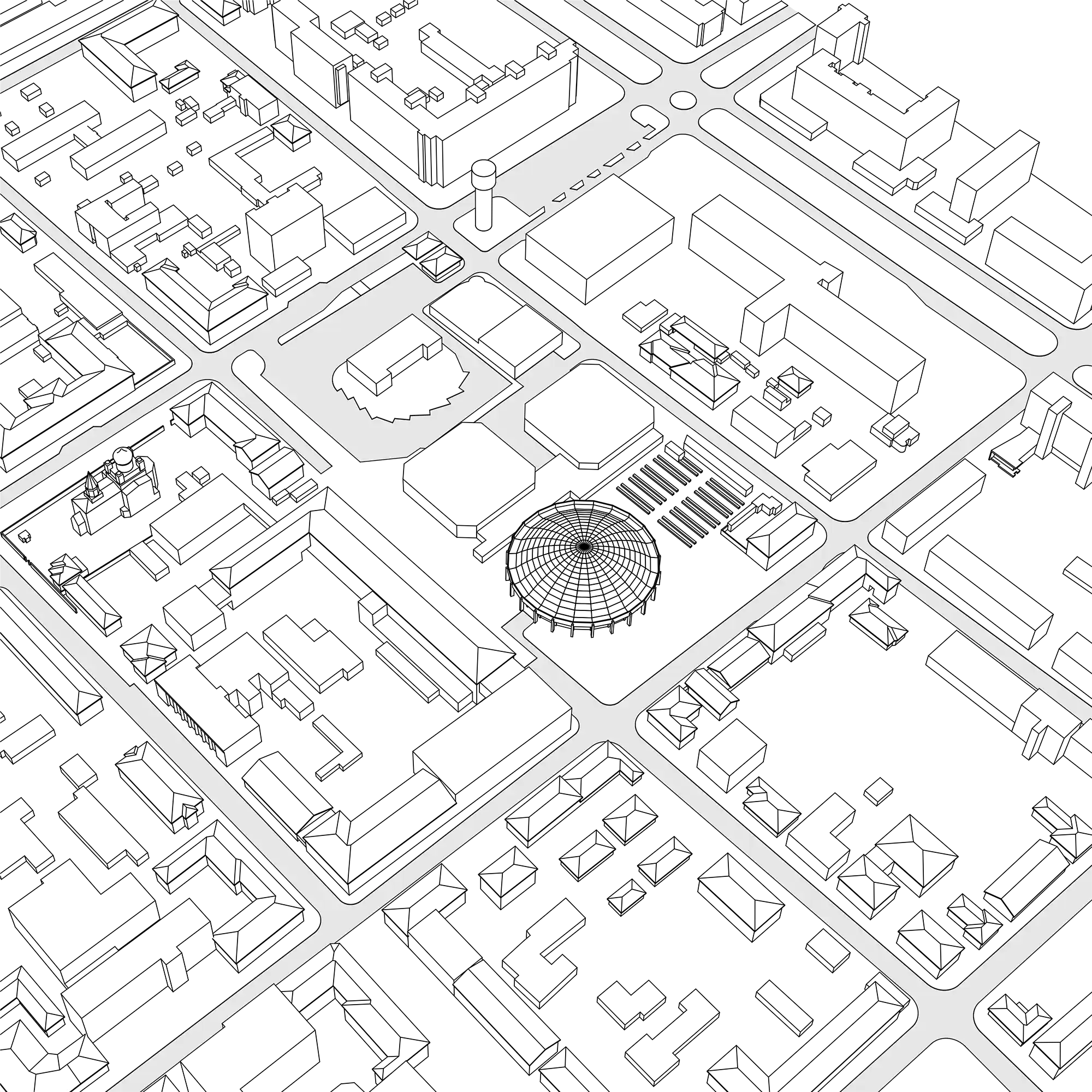
Start point
Existing urban fabric
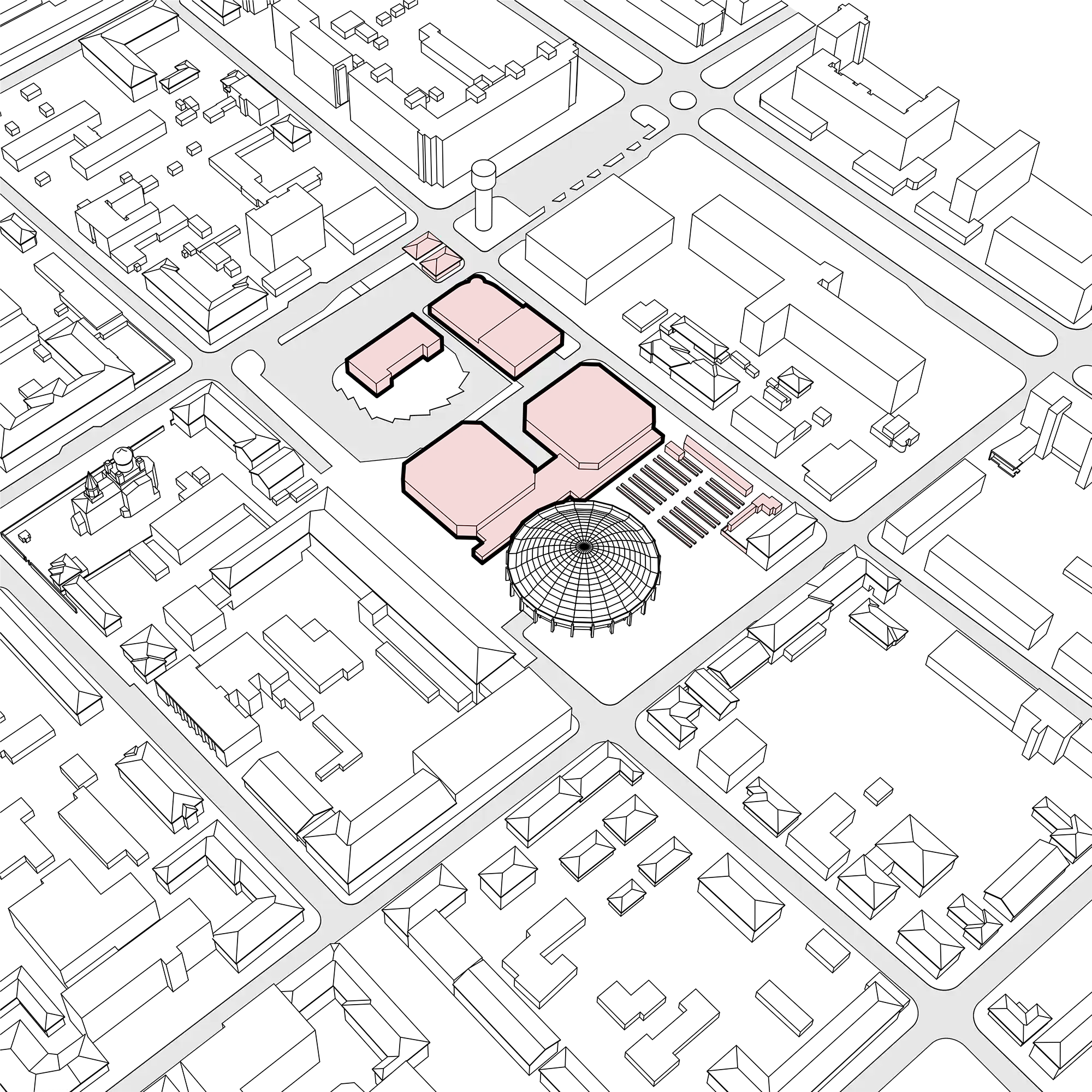
Demolition
Clearing obsolete structures
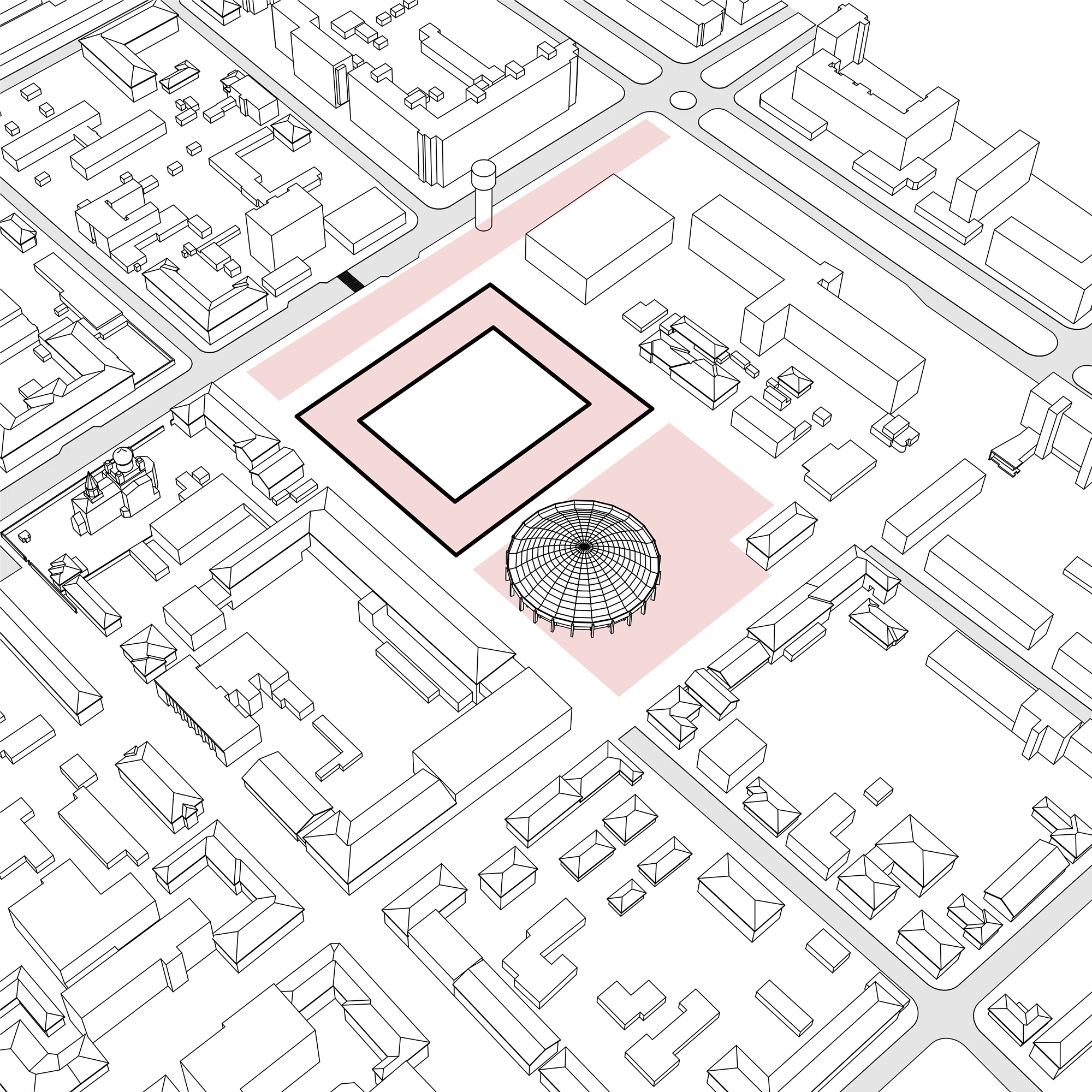
Stage 1
Defining the building footprint
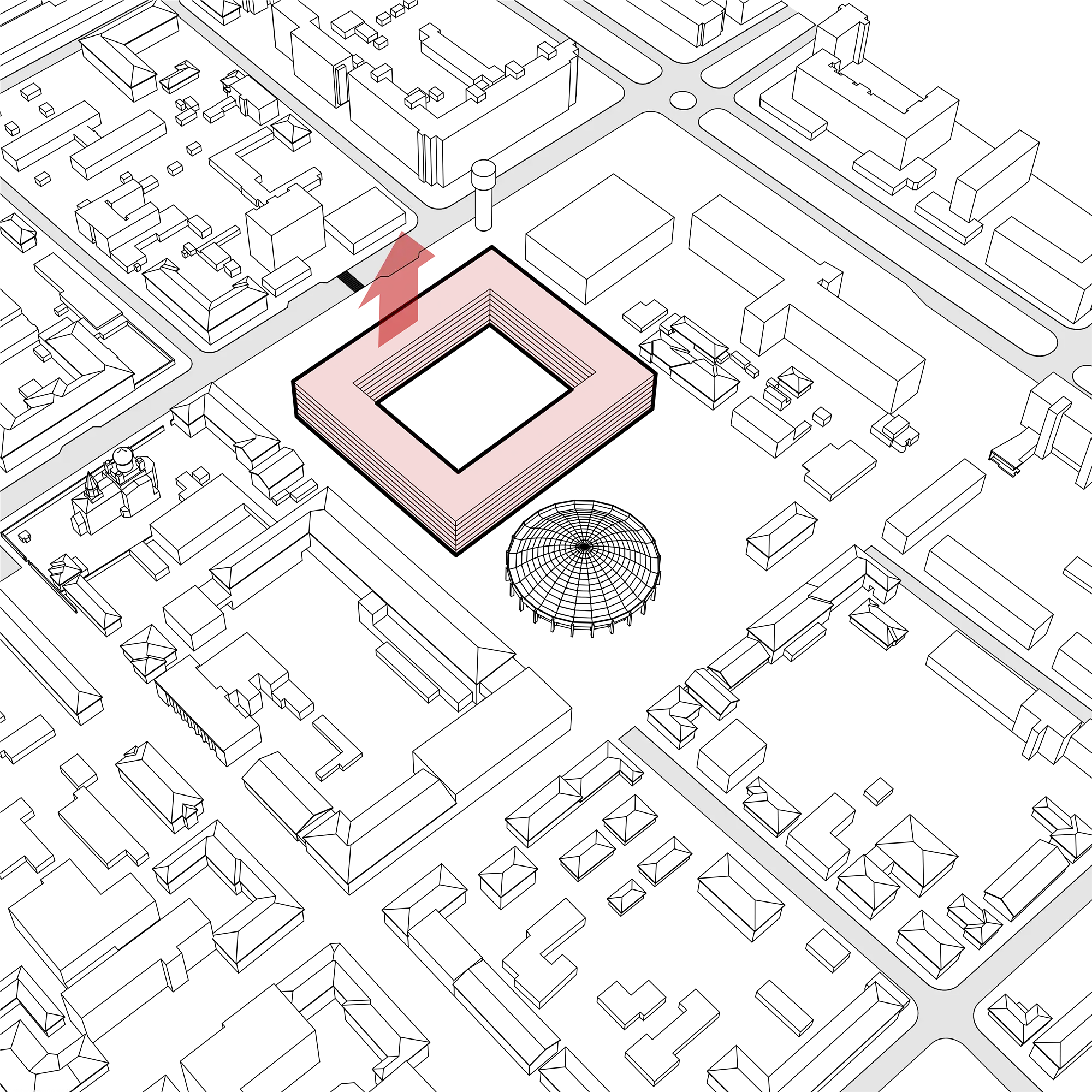
Stage 2
Vertical extrusion
Stage 3
Carving pedestrian arteriesExisting urban fabric
Stage 4
Recessing the mass for public space
Stage 5
Creating terraced recreation zones
Stage 6
Final architectural volume
The Evolution of Mobility
We are currently on the brink of a shift that will transform how people move through cities—a change comparable to the transition from horse-drawn carriages to automobiles. Personal electric vehicles, such as scooters and Segways, are becoming common in city centers. Simultaneously, car-sharing and bike rentals are gradually displacing private cars from dense urban networks. By coordinating these new technologies, we have a unique opportunity to let innovation flourish and redesign mobility for the better
The «Shared Space» Philosophy
The concept of «shared space» is gaining popularity globally—from «home zones» in the UK and woonerfs in the Netherlands to superblocks in Catalonia. These spaces are defined by a single surface shared by all users, where pedestrians are given strict priority. To ensure cars behave as «guests,» physical barriers like curbs are removed. Traffic is naturally calmed through the strategic placement of street furniture and greenery, while continuous tactile paths ensure safety and accessibility for people with limited mobility.
Traffic Strategy & Integration
We propose applying this shared space concept to the project site by reorganizing the surrounding traffic flow. By converting Mickiewicza Street to two-way traffic, we can reduce the load on adjacent blocks. This allows us to transform Pushkinskaya, Karbysheva, and Kuibysheva Streets into shared spaces, seamlessly connecting the pedestrian Sovetskaya Street with the Market Square. These streets will not be closed to cars entirely; instead, we propose eliminating through traffic and introducing low-speed regulations similar to residential zones.
… Returning the streets to the people …
Landscaping Strategy
The project is anchored by two major squares that create new public destinations. The Event Square: Located on the site of the former station parking lot, this open plaza is designed as a flexible venue. It is intended to host diverse scenarios, from seasonal markets and festivals to themed fairs. The Recreation Square: Tucked behind the new market building, the second square focuses on leisure. It features a dynamic mix of zones: a fountain, a children’s playground, and an active sports area, balanced by a quiet retreat with urban gardens and greenery.
Streetscape & Cohesion
Kuibysheva and Karbysheva Streets will be transformed into shared spaces, while maintaining essential access to residential courtyards. To keep the surface level pedestrian-friendly, we propose integrating underground parking within these courtyards for residents and staff. A unified design language, defined by consistent paving materials and street furniture, will connect the streets and squares. This visual continuity creates a seamless public realm, uniting the entire block under a single, cohesive identity.